
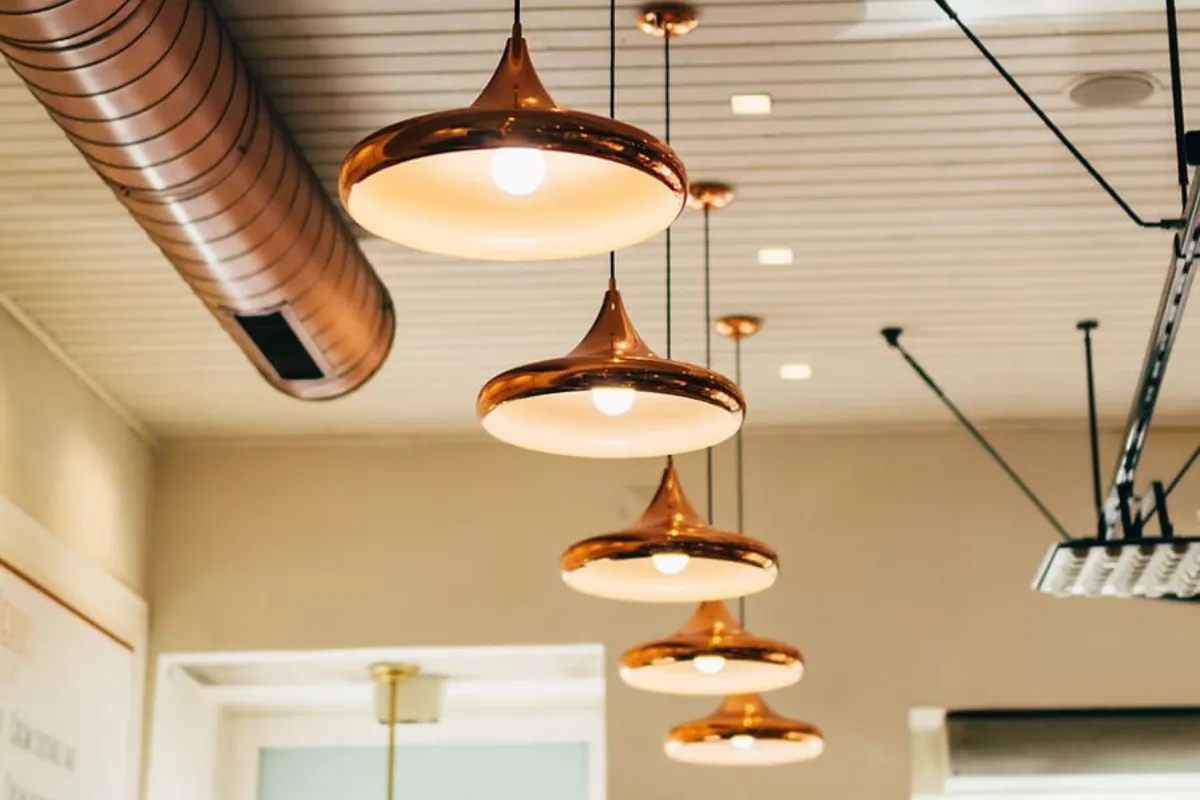
For many Perth homes, lighting does more than brighten a room. It sets the mood, makes your spaces feel bigger, and quietly decides whether your home looks polished or a bit “just moved in and never unpacked”.
A smart Lighting Installation can turn a plain room into a warm, stylish space that actually works for the way you live. I like to think of lighting as the finishing touch that pulls the whole outfit together.
You can have the best paint, furniture, and flooring in the world, but if the Lighting Installation feels off, the room never quite lands. Get it right, though, and suddenly your home feels calm, current, and a lot more expensive than it probably was.
If you are mapping out a fresh look, start with this Lighting Installation in Perth page so you can see how a planned setup can change the whole feel of a room. Before you pick a single fitting, I always suggest you pause and think about how you actually use each room.
That sounds simple, but it saves a lot of regret later. A good Lighting Installation does not just look nice in the showroom. It needs to work when you are cooking, reading, getting ready, hosting mates, or trying not to blind yourself at 6:30 in the morning.
Start with the job each room needs to do
Every room needs its own plan. The kitchen needs clear task lighting. The lounge room wants soft layers that feel relaxed. Bedrooms need a calmer touch. Bathrooms need bright, accurate light that helps rather than hinders.
When you match the Lighting Installation to the room’s purpose, you get comfort and style in the same package. Perth homes also deal with strong natural light for most of the year, so I always tell people not to over-light a room just because they can.
If a space already gets plenty of daylight, your Lighting Installation should support it, not fight it. That usually means using dimmers, warmer tones, and thoughtful placement rather than just throwing in more fittings and hoping for the best.
Think in layers, not single fittings
This is where a lot of people miss the trick. One light in the middle of the ceiling can work, but it rarely gives a room any personality. I prefer a layered Lighting Installation because it lets you build mood and function at the same time.
You can mix ambient light, task light, and accent light to create a home that feels balanced instead of flat. Ambient light gives the room its general glow. Task light helps you work, read, cook, or shave without squinting.
Accent light adds depth and draws the eye to features like artwork, shelving, textured walls, or a nice pendant over the dining table. When you blend those layers well, your Lighting Installation starts to feel considered, not random.
Choose fittings that suit your home style
Your fittings should match the look of your home, but they should also match the way you live. If you love a clean, modern feel, slim LED downlights and simple pendants can keep things neat. If your home has more character, you might lean into statement pieces, wall lights, or decorative feature lamps.
A strong Lighting Installation never feels like it landed by accident. I also suggest you think about the finish, shape, and colour temperature of the lights. Warm white can make a living area feel softer and more inviting.
Cool white can suit work zones and bathrooms. In other words, the fitting matters, but the light it throws matters just as much. That small detail can make the difference between “nice” and “nailed it”.
Build a simple plan before you buy anything
I always like to sketch the room first, even if it is only on paper. Mark the furniture, doors, windows, and any feature walls. Then decide where you need the brightest light and where you want softer pools of light. That little exercise helps you avoid a Lighting Installation that looks fine in theory but feels awkward in real life.
Here is a quick way to break it down:
- Walk through each room and note what happens there.
- Mark the spots where you need task lighting.
- Decide where you want mood lighting.
- Check where natural light already lands.
- Choose fittings that support the layout, not fight it.
That simple planning step saves money, time, and a few headaches. It also gives your electrician a much clearer picture of what you want from the Lighting Installation.
A quick room-by-room guide
| Room | Best lighting approach | Planning tip |
| Living room | Layered ambient + accent lighting | Use dimmers for movie nights and entertaining |
| Kitchen | Bright task lighting | Put light where you prep, not just where it looks neat |
| Bedroom | Soft, warm lighting | Add bedside controls for easy switching |
| Bathroom | Clean, even lighting | Focus on mirror lighting and safety |
| Hallways | Practical low-profile lighting | Keep it bright enough to guide movement |
| Outdoor areas | Weather-ready lighting | Light paths, entries, and gathering spots |
Do not skip the safety side
This is the part people often treat like boring admin, but it matters more than the fancy pendant you picked after three coffees. In Western Australia, electrical work must stay in licensed hands, and you should always make sure your electrician issues the right paperwork for installation work.
You can read the WA Government’s guidance on having electrical work done before you move forward with any fixed wiring or light fitting work.
That rule protects your home, your family, and your insurance position. It also keeps your Lighting Installation compliant from day one, which saves a world of pain later. I always think of it like this: good lighting should make your home feel easy, not risky.
Smart controls can make life feel smoother
A modern Lighting Installation can do far more than switch on and off. You can use dimmers, smart switches, sensors, and app control to make your home feel more responsive. That matters in a busy Perth household, where one room might need bright light in the morning, soft light at dinner, and nearly no light when everyone is half asleep and hunting for snacks.
Smart lighting also helps you save energy because you use only the light you need. That is especially handy in spaces like hallways, outdoor areas, and bedrooms. If you enjoy convenience, a smart Lighting Installation feels like a tiny upgrade that you notice every single day.
Common mistakes I see all the time
A lot of lighting regrets come from rushing. People buy fittings first and plan second. They put lights in the wrong spots. They choose the wrong colour temperature. They ignore ceiling height, furniture placement, or natural light. The result feels patchy, and the room never quite settles.
The other big mistake is overdoing it. More fittings do not always mean better lighting. A smart Lighting Installation uses the right number of lights in the right places. That usually gives you a cleaner, calmer result than a room packed with too many bright points fighting for attention.
Small design choices that make a big difference
I love the little details because they quietly do the heavy lifting. Matching trim colours, choosing the right beam angle, and spacing downlights properly can make your Lighting Installation look custom rather than cookie-cutter. Even the way a pendant hangs over a table can change the whole vibe of the room.
If you are styling a young professional home, I would lean into a clean and modern look with warm finishes, simple lines, and a few standout features instead of clutter. That approach keeps the room feeling fresh, not fussy. It also makes your Lighting Installation look current without chasing every trend that appears on social media for five minutes.
When to bring in a professional
I always recommend getting a licensed electrician involved early, especially if your plan includes new wiring, switch changes, outdoor work, or multiple rooms. A good electrician can spot issues before they become expensive mistakes.
They can also help you place lights properly, which matters more than people think. A great Lighting Installation depends on both the plan and the execution.
That support becomes even more useful if you live in an older Perth home. Older ceilings, hidden wiring quirks, and previous DIY “fixes” can throw up surprises. A pro can keep the project tidy, compliant, and on schedule, while you keep your sanity intact.
Conclusion
A successful Lighting Installation starts with a clear plan, a room-by-room approach, and a bit of style discipline. When you think about function first, then layer in mood and design, your home feels more comfortable, more polished, and easier to live in.
And when you keep safety and compliance at the centre, you protect both the look and the long-term value of the space.
If you are ready to give your home a sharper, warmer, more put-together feel, now is the time to plan it properly. Get the layout right, choose fittings that suit your lifestyle, and work with someone who knows how to turn a good idea into a great result.
Book a professional Lighting Installation consultation today and start building a home that looks brilliant day and night.
FAQs
1. How do I plan a Lighting Installation for my home?
Start by mapping each room’s purpose, then decide where you need task light, ambient light, and accent light. That simple plan keeps the result practical and stylish.
2. What type of Lighting Installation works best in Perth homes?
Most Perth homes suit layered LED lighting with dimmers, warm tones in living spaces, and brighter task lighting in kitchens and bathrooms.
3. Do I need a licensed electrician for a Lighting Installation?
Yes. Any fixed electrical work should go through a licensed professional in WA, especially when wiring, switches, or new fittings come into play.
4. How many lights do I need in one room?
That depends on room size, ceiling height, furniture layout, and natural light. I usually recommend planning for coverage, not just counting fittings.
5. Can smart lighting improve a Lighting Installation?
Absolutely. Smart switches, dimmers, and app control give you more flexibility, better comfort, and easier energy management.
6. What is the biggest mistake people make with Lighting Installation?
They often buy fittings before they build a plan. That leads to poor placement, bad glare, and a room that looks fine on paper but awkward in real life.
