
If you’ve been wondering how much does a split system air conditioner cost, you’re not alone. Prices vary depending on unit size, installation complexity, and your location. Dr Lightning provides practical guidance to help you budget effectively and make informed decisions for your home or office.
Factors That Influence Split System Air Conditioner Costs
Several key factors determine what you’ll pay for a split system air conditioner in Australia:
- Unit Capacity: Measured in kilowatts (kW), larger rooms need higher-capacity units, which cost more.
- Brand and Features: Units with inverter technology, Wi-Fi control, or energy-efficient ratings can increase costs.
- Installation Complexity: Homes with difficult wall placements, multiple levels, or long pipe runs require more labour.
- Location: Regional areas may attract additional travel or freight costs.
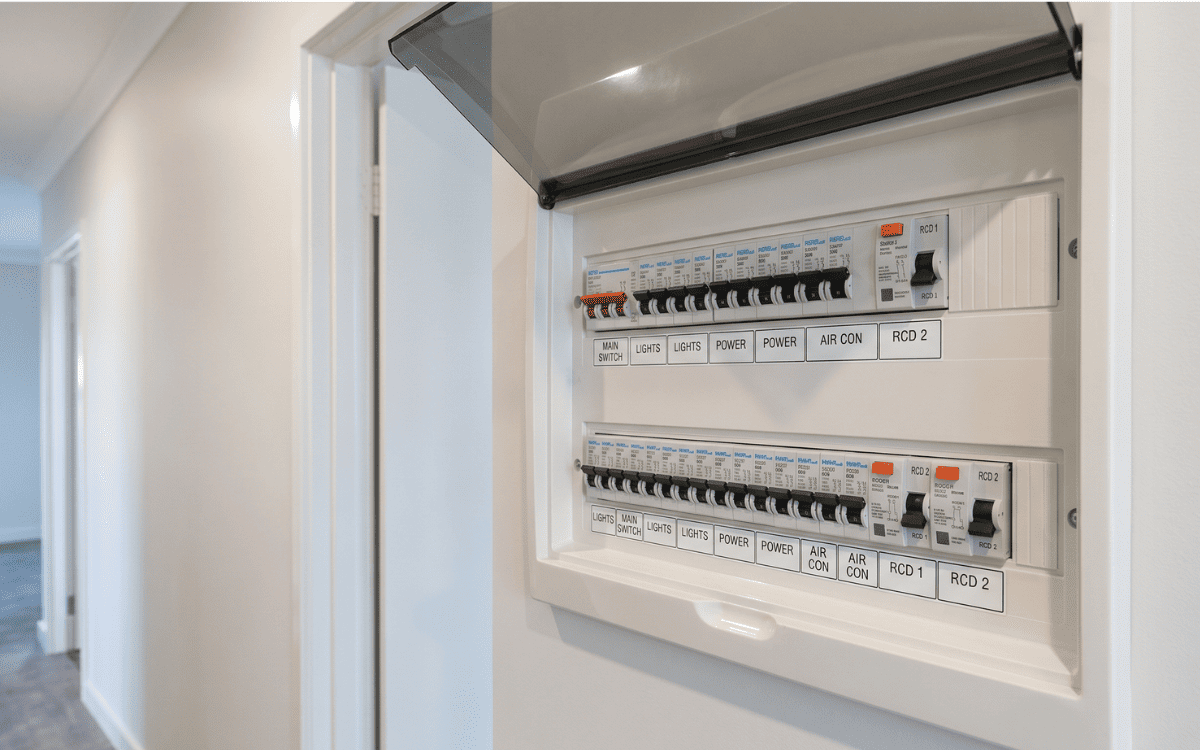
- Electrical Requirements: Upgrading circuits or switchboards may be needed for some systems.
Dr Lightning ensures all installations comply with Australian Standards (AS/NZS 3823) for safe and reliable operation.
Typical Costs of Split System Air Conditioners
Here’s a general guide to help you understand what to expect in 2026:
- Small Room Units (2–3 kW): $1,200–$2,000 installed
- Medium Room Units (3.5–5 kW): $2,000–$3,500 installed
- Large Room Units (5–7 kW): $3,500–$5,000 installed
- Premium Units with Inverter & Smart Features: $4,000–$6,500 installed
These prices include the unit, standard installation, and basic commissioning. Additional charges may apply for challenging installs or electrical upgrades. Dr Lightning recommends getting a detailed, itemised quote to avoid surprises.
Hidden Costs to Consider
Be aware of factors that can affect your total spend:
- Electrical Upgrades: Some older homes require new circuits or switchboards.
- Extended Pipework or Wall Mounting: Extra labour for tricky installations can increase costs.
- After-Hours or Emergency Work: Premium rates apply outside standard hours.
- Permit Fees: Certain council areas may require approval for installations.
Knowing these factors beforehand ensures your budgeting is accurate and realistic.
Tips to Keep Costs Manageable
You can reduce your expenses without compromising performance:
- Compare Quotes: Get at least 2–3 quotes from licensed installers.
- Choose the Right Size: Oversized units are costly and inefficient; undersized units struggle to cool.
- Bundle with Maintenance: Some installers offer discounts if you include future servicing.
- Schedule Off-Peak: Installing during non-peak periods may reduce labour costs.
Dr Lightning follows transparent pricing and provides clear explanations of all components, making your investment worthwhile.
When to Call a Professional
Installing a split system air conditioner may seem straightforward, but professional help is recommended when:
- Planning units for multiple rooms or zones
- Upgrading electrical systems to support the AC
- Dealing with wall mounting, ceiling cavities, or restricted access
- Installing high-capacity units or inverter systems
Dr Lightning ensures all work is compliant with safety standards, properly commissioned, and backed by warranty coverage.
Conclusion
How much does a split system air conditioner cost depends on unit size, features, installation complexity, and your location. Planning ahead, comparing quotes, and using licensed professionals like Dr Lightning helps avoid unexpected costs. For reliable, safe, and fully compliant AC installations across Australia, get in touch with Dr Lightning for a precise quote today.
FAQ
Q1: What’s included in a split system installation cost?
A1: Installation usually covers the unit, wall mounting, standard pipework, and commissioning. Electrical upgrades or challenging installs may incur extra costs.
Q2: How do I choose the right size split system?
A2: Consider room size, insulation, and usage. Dr Lightning can perform a site assessment to recommend the correct capacity.
Q3: Are inverter systems more expensive?
A3: Yes, inverter models cost more upfront but save energy and offer quieter, more efficient operation.
Q4: Can I install it myself to save money?
A4: DIY installation isn’t recommended due to safety, warranty, and compliance issues. Licensed professionals like Dr Lightning ensure proper, safe setup.
