
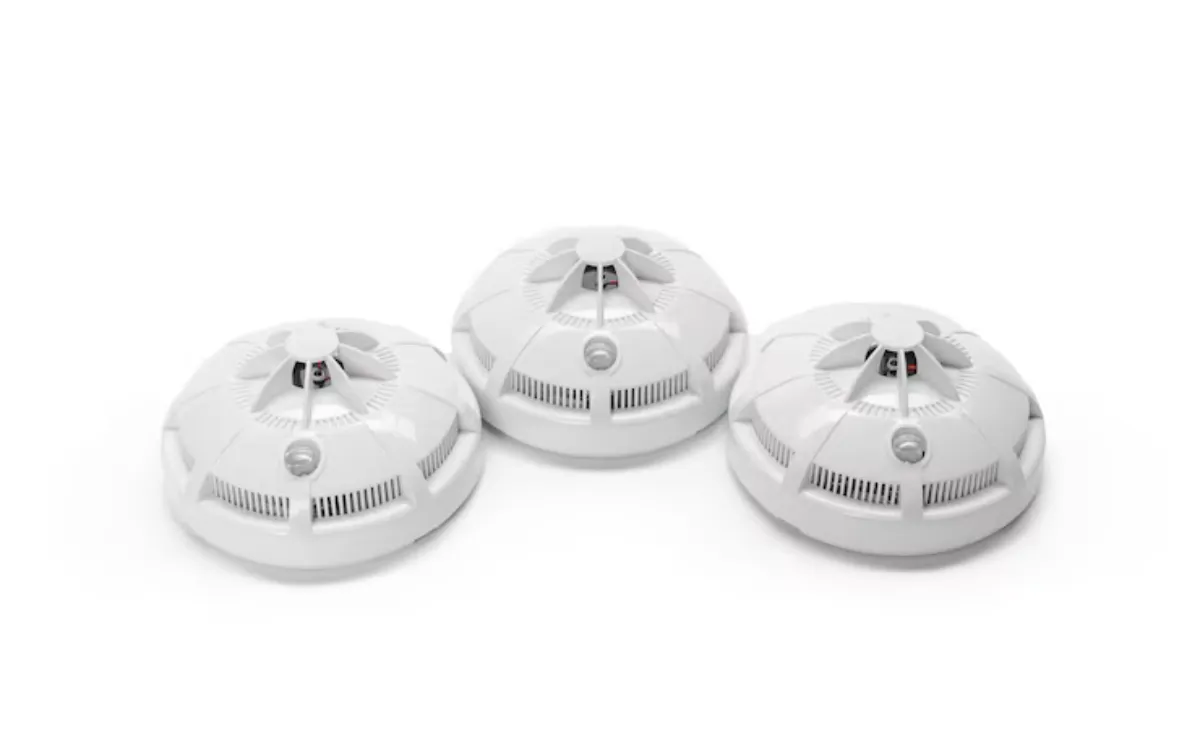
Smoke alarms are tiny, but they do a massive job. One quiet beep can wake the whole house, give you a head start, and turn a bad night into a near miss instead of a full-blown disaster. In Perth, that matters even more because the rules, the building styles, and the summer heat all play their own little role in fire safety.
If you own a home, lease a property, or just want fewer “what’s that chirping?” moments at 2 a.m., this guide will walk you through the basics of Smoke Alarm Installation in plain English. I’ll keep it simple, practical, and Perth-friendly, because no one needs a lecture when they just want their house safe.
For a closer look at the full electrical support side of things, check out my Smoke Alarm Installation in Perth service page, where I explain how proper installation, testing, and compliance work together.
Why Smoke Alarm Safety Matters
Smoke alarm safety is not one of those boring box-ticking jobs you can shrug off until later. It protects the people you love, the roof over your head, and everything you have worked hard to build. That is why Smoke Alarm Installation should always feel like part of proper home care, not an afterthought.
In Western Australia, smoke alarm rules matter for owner-occupied homes, rentals, and homes being sold or transferred. The details can sound a bit dry at first, but once you break them down, they make sense. You want alarms in the right places, powered the right way, and working when you need them.
Choosing the Right Smoke Alarm
The biggest question I hear is simple: which alarm should you choose? For most Perth homes, photoelectric smoke alarms make sense because they respond well to smouldering fires, which often start quietly before they turn nasty. That gives you more time to react, which is the whole point of Smoke Alarm Installation in the first place.
A good installation also needs smart placement. You do not want alarms tucked away in the wrong corner like they are hiding from responsibility. You want them on or near the ceiling, away from dead air spaces, and positioned so smoke can actually reach them fast.
Why Professional Installation Makes a Difference
That is also why I always recommend getting a licensed electrician involved for mains-powered work. A proper installer does more than hang a unit and call it a day. They check the wiring, confirm the location, test the system, and make sure the setup suits your home instead of just looking neat on the day.
WA’s smoke alarm laws for homes being sold, rented and hired explain the current compliance basics clearly: alarms need to work, be mains powered where required, and stay within the allowed age range. That is the sort of detail that helps you avoid nasty surprises when you sell, lease, or update a home.
What Smoke Alarm Installation Really Means
When people hear Smoke Alarm Installation, they often picture one alarm in a hallway and a quick test beep. In reality, it is more like setting up a tiny early-warning network across the home. Each alarm needs the right power source, the right placement, and the right connection to the rest of the system, especially in multi-room or multi-level homes.
For Perth homeowners, that can include hardwired alarms, battery-backup options, and interconnected alarms, depending on the age and layout of the property. The goal stays the same every time: give everyone inside enough time to get out safely.
Which Smoke Alarm Type Works Best?
Not every home needs the same setup, so I always tell people to match the alarm to the house instead of buying the cheapest box on the shelf. Here is a quick comparison that makes the choice easier.
| Alarm type | Best for | Main benefit | Watch-out |
| Photoelectric alarm | Most homes | Fast response to smouldering fires | Needs proper placement |
| Mains-powered alarm | Homes with existing wiring | Reliable power supply | Must be installed correctly |
| 10-year sealed battery alarm | Some homes where wiring is not practical | Easy maintenance | Must suit the legal situation |
| Interconnected alarms | Larger or multi-level homes | All alarms sound together | Needs careful planning |
For most modern Smoke Alarm Installation jobs, I lean toward photoelectric alarms because they suit everyday household risks very well. If you have a larger home, interconnection can also make a big difference, because one alarm sounding across the house can buy you those precious extra seconds.
Where Should Smoke Alarms Go?
This part matters more than most people think. A smoke alarm in the wrong spot is a bit like putting a guard dog in the pantry. It exists, but it is not helping where it should.
A smart layout usually includes alarms near bedrooms, in hallways, and on each level of the home. You also want to avoid corners, dead air spaces, and areas where steam, dust, or cooking fumes will trigger false alarms every second Tuesday.
Why Professional Installation Is Worth It
I know DIY can feel tempting. It looks easy enough, and the box usually promises everything except breakfast. But Smoke Alarm Installation is one of those jobs where a shortcut can cost you peace of mind later.
A licensed electrician can check whether your home needs hardwired alarms, battery backups, interconnection, or a mix of all three. They can also spot problems you might miss, like old wiring, poor ceiling placement, or a system that technically exists but barely deserves the name.
Professional installation also helps with long-term reliability. A neat install matters, but a safe and compliant one matters more. That is the difference between a house that just has alarms and a house that is actually ready.
What Perth Homeowners Should Keep in Mind
Perth weather does not always make life easy for home safety gear. Heat, dust, renovations, and older electrical setups can all create little complications. That is why regular checks matter just as much as the original Smoke Alarm Installation.
If you rent out a property, own an older home, or have recently renovated, you should pay extra attention. A home can look fresh and stylish while quietly hiding an outdated alarm setup behind the scenes. That is not a vibe anyone wants.
Common Smoke Alarm Mistakes
A lot of smoke alarm problems come from simple slip-ups, not major disasters. The good news is that most of them are easy to avoid once you know what to look for.
- Installing alarms too close to bathrooms or kitchens
- Forgetting to test them after installation
- Leaving expired alarms in place for years
- Using the wrong alarm type for the home
- Skipping interconnection in a home that really needs it
- Treating Smoke Alarm Installation like a once-and-done job
A quick annual check can save you from a lot of frustration. It also gives you a chance to replace weak batteries, clean dust, and confirm that every alarm still speaks up when needed.
Maintenance Table: Keep It Simple
| Task | How often | Why it helps |
| Test alarms | Monthly | Confirms they still work |
| Clean dust from alarms | Every few months | Helps reduce false alarms |
| Check expiry date | Once a year | Keeps you ahead of replacement time |
| Replace faulty units | Straight away | Protects the whole house |
| Review alarm layout | After renovations | Keeps the system suited to the home |
If you build maintenance into your routine, Smoke Alarm Installation pays you back every single year. It becomes less of a job and more of a habit, which is exactly what home safety should be.
When Should You Upgrade Your Alarms?
You should think about an upgrade if your alarms are older, if you have just renovated, if you keep getting false alarms, or if your setup no longer suits the layout of the home. A small change in the house can make a big difference to how smoke moves, so the alarm plan should evolve with the property.
That is especially true after extensions, ceiling changes, or kitchen upgrades. If the home changed, your Smoke Alarm Installation plan should probably change too.
A Practical Perth Takeaway
Here is the short version: the right alarms, the right placement, and the right installer make all the difference. A safe home does not need fancy tricks. It needs solid basics done properly, and smoke alarms sit right at the top of that list.
When you choose Smoke Alarm Installation with care, you protect your family, your property, and your peace of mind. That is a pretty good return for such a small device.
Conclusion
Smoke alarms are one of those home essentials that ask very little but give a lot. In Perth, the smart move is to treat them as part of the home’s core safety system, not just a legal requirement or a box to tick before moving in.
If you are updating an older property, fitting alarms in a new build, or checking compliance for a rental, start with proper advice and a clean installation plan. That way, your Smoke Alarm Installation does more than meet the rules. It actually protects the people inside.
Ready to make your home safer? Get your smoke alarm setup checked, upgraded, or installed properly so you can relax knowing your Perth home is covered.
