
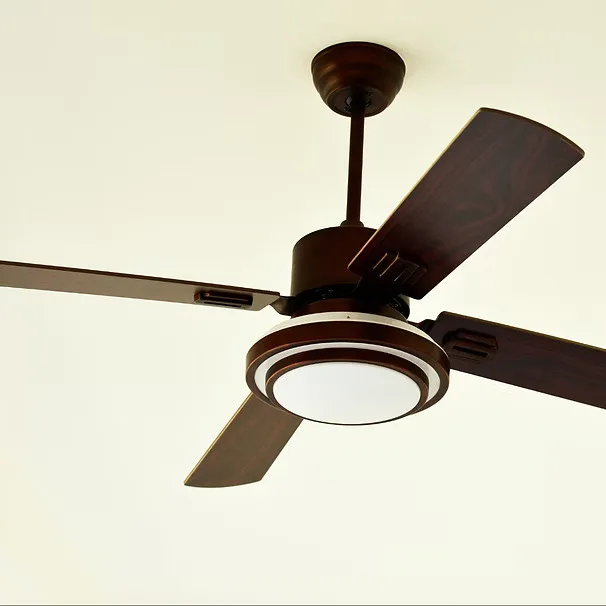
Choosing the right ceiling fan can make a big difference to comfort, energy use, and airflow in your home or office. Many Australians ask, “What size ceiling fan do I need?” In this guide, Dr Lightning explains how to match fan size to room dimensions, ceiling height, and layout, so you get efficient cooling without overspending. By following these tips, you can select a fan that looks great and works effectively throughout the year.
How Ceiling Fan Size Impacts Comfort
The size of your ceiling fan directly affects how much air it moves. Fans that are too small struggle to circulate air properly, while fans that are too large may create excessive airflow or look disproportionate in your room.
- Small fans (36–42 inches / 91–107 cm): Suitable for bedrooms, bathrooms, or smaller study areas.
- Medium fans (44–52 inches / 112–132 cm): Ideal for living rooms, kitchens, and medium-sized offices.
- Large fans (54–72 inches / 137–183 cm): Best for open-plan areas, dining rooms, or large living spaces.
Dr Lightning notes that the room’s square metre area and layout play a crucial role in determining the optimal fan size.
Factors to Consider When Choosing a Fan
Several factors influence your choice of ceiling fan size:
- Room Size (Square Metres):
- Up to 10 m² → 36–42 inch fan
- 10–20 m² → 44–50 inch fan
- 20–30 m² → 50–54 inch fan
- 30+ m² → 56–72 inch fan
- Ceiling Height:
Fans should hang 2.1–2.4 metres above the floor for safety and efficiency. Rooms with higher ceilings may need longer downrods or angled fans for optimal airflow. - Number of Fans:
For large or irregularly-shaped rooms, consider multiple fans instead of one oversized unit to ensure even cooling. - Room Layout and Furniture Placement:
Obstructions such as beams, cabinets, or high shelves can interfere with airflow. Position the fan centrally for maximum coverage. - Energy Efficiency:
Choosing a fan with a high airflow efficiency rating ensures effective circulation while keeping energy costs lower.
Calculating the Right Fan Size for Your Room
A simple formula can help determine the correct ceiling fan size:
- Small room (up to 10 m²): 36–42 inches (91–107 cm)
- Medium room (10–20 m²): 44–50 inches (112–127 cm)
- Large room (20–30 m²): 50–54 inches (127–137 cm)
- Extra-large room (30 m²+): 56–72 inches (142–183 cm)
Dr Lightning recommends measuring room width and length and comparing against the fan blade span. A fan with blades too short for a large room may not circulate air effectively, while an oversized fan in a small room can feel overpowering.
Example Scenarios
- Bedroom (12 m²): 44-inch fan is usually sufficient for optimal airflow and ceiling clearance.
- Living Room (25 m²): 52-inch fan works well, providing balanced airflow across the space.
- Open-plan Lounge & Kitchen (40 m²): Two 56–60 inch fans, or one 72-inch fan with multiple speed settings, ensures even cooling.
Including these calculations prevents underperforming fans and avoids unnecessary energy consumption.
Tips for Effective Ceiling Fan Use
Choosing the correct fan size is only part of the solution. Dr Lightning advises considering the following:
- Fan Speed Settings: Most fans have 3–5 speed levels. Adjust according to the room size and comfort needs.
- Blade Pitch & Design: Steeper blade angles improve air circulation. Wider blades cover more area effectively.
- Airflow Direction: Use clockwise rotation in winter for gentle upward airflow to redistribute warm air. Counterclockwise in summer provides direct cooling.
- Lighting & Accessories: If the fan includes a light kit, ensure it doesn’t interfere with airflow or reduce fan efficiency.
Energy-Saving Tips
- Switch off fans when leaving the room; ceiling fans cool people, not rooms.
- Use fans in combination with air conditioning to circulate cooled air efficiently.
- Regularly clean blades to maintain airflow and efficiency.
When to Call a Professional
While small fans can sometimes be installed by handy homeowners, for larger or more complex installations, including multi-room setups or high ceilings, it’s best to call a licensed professional like Dr Lightning. Professionals ensure:
- Correct sizing and placement for maximum airflow
- Secure mounting and safe wiring
- Compliance with Australian electrical safety standards
Hiring a professional prevents accidents, protects your warranty, and guarantees efficient operation of your ceiling fan.
Conclusion
Choosing the right ceiling fan size impacts both comfort and energy efficiency. By considering room dimensions, ceiling height, layout, and airflow requirements, you can select a fan that provides optimal cooling and style. Dr Lightning recommends measuring your space accurately and consulting professionals for larger or complex installations. Following these tips ensures your ceiling fan works effectively year-round while keeping energy use low.
FAQ
Q1: How do I measure my room for a ceiling fan?
Measure the width and length in metres, then use standard fan size charts to select a suitable blade span.
Q2: Can a ceiling fan cool a room on its own?
Fans do not lower room temperature; they circulate air to create a cooling breeze for occupants.
Q3: What ceiling height is safe for fan installation?
Fans should be 2.1–2.4 metres above the floor for safety and optimal airflow.
Q4: How many fans do I need in a large room?
Large or irregular-shaped rooms may require multiple fans to ensure even air circulation.
